
Finishing treatment and design
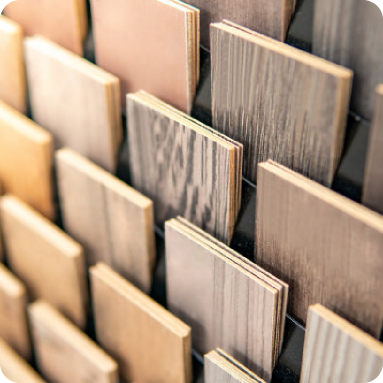
1. Color design: The design team creates various colors such as wood grain, stone grain, solid color, abstract pattern, etc. based on global trends.
2. Printing: The designed patterns are printed with high precision on special decorative base paper using gravure printing (suitable for large quantities, repeated patterns) or digital printing (suitable for small batches, personalized customization) processes.
3. Impregnation (if melamine paper):
Immerse the printed decorative paper into a tank filled with melamine resin to fully saturate it。
By using a high-temperature drying oven, the resin is brought to a "semi cured" state. At this point, the paper becomes brittle and hard, making it easier to store and transport, but it will melt and form again under hot pressing.
PP film/PVC film extrusion (if it is a film facing): PVC or PP particles are mixed with color masterbatch, heated and melted by an extruder, and directly made into a flexible decorative facial mask with different colors and thicknesses
Substrate preparation
The substrate is the skeleton of the panel, which determines its structural strength.
1. Substrate selection: Common substrates include:
Particle board: affordable and most commonly used.
Medium density fiberboard (MDF): The surface is smoother and more even, making it suitable for styling.
Plywood: Good structural stability and high strength.
2. Substrate processing: Cut large sheets into the required size.
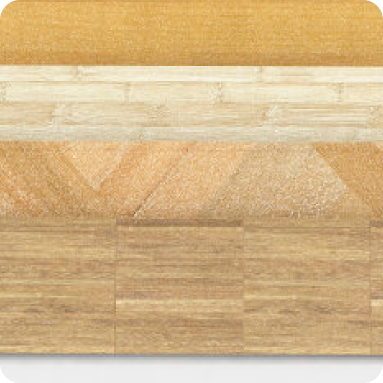
Sanding: Fine sanding is applied to the surface of the substrate to ensure absolute flatness and flawless veneering effect.
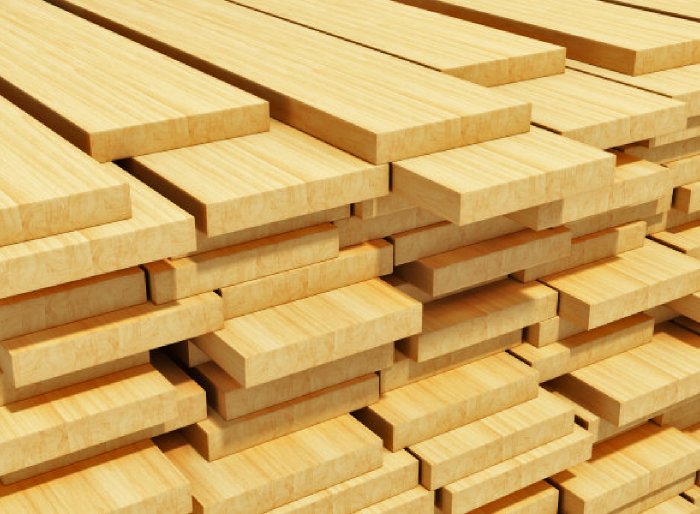
This is the core process of permanently bonding the finish with the substrate.


2023 Hangzhou Xinyang Technology Co., Ltd. Zhejiang ICP No. 2024059832
Technical Support: zjsingoo
